
 1 week ago
15
1 week ago
15

.jpeg)
.png)
Press play to listen to this article
Voice
Independent leaf, scientifically known as Vernonia amygdalina, is a remarkable plant that holds significant cultural, nutritional, and medicinal value, particularly in Africa. Commonly referred to as bitter leaf, it is widely recognized for its distinctive bitter taste, making it a staple in traditional cuisine and herbal medicine.
This leafy vegetable is appreciated not only for its flavor but also for its rich array of nutrients and potential health benefits.
Originating from tropical and subtropical regions, independent leaf often grows in the wild but is cultivated in home gardens and farms due to its numerous advantages. The plant thrives in well-drained soils and can be easily propagated from cuttings.
Its resilience and adaptability contribute to its widespread cultivation, especially in Nigeria, where it is a common ingredient in soups and stews.
The leaves are typically harvested while young and tender for the best taste and nutritional value.
Nutritionally, independent leaf is a powerhouse of essential vitamins and minerals. It is particularly high in vitamins A, C, and E, which support vision, immune function, skin health, and antioxidant protection.
🌿 Go Organic on Your Farm: Instead of harmful chemical pesticides and fertilisers, try our organic farming products — including neem oil spray, bio-pesticides, natural plant treatments, organic seeds and seedlings, suckers, and many more organic products that are safe for your health, your family, your soil and your harvest. Shop Now →
It is also a good source of minerals such as calcium (for bone health), iron (for red blood cell formation), and potassium (for blood pressure regulation and fluid balance).
Independent leaf is rich in dietary fiber, aiding digestion, preventing constipation, promoting gut health, and supporting weight management by enhancing satiety.
Beyond nutrition, it is renowned for medicinal properties in traditional practices, used as teas, extracts, or poultices for various health issues.
It possesses anti-inflammatory, antibacterial, and antifungal properties, useful for infections and inflammatory conditions, including gastrointestinal disorders like dysentery and diarrhea.
🔧 Free Farm Tool Available: Use our free Agric4Profits Farm Tools to calculate your farm profits, formulate feeds, identify pests and diseases on both your crops and animal farms, plan your planting and harvesting season, including many more farm tasks to get free expert advice and recommendations — completely free, no registration required. Access Free Tools →
Modern research suggests potential hypoglycemic effects for blood sugar regulation in diabetes, improved insulin sensitivity, and preliminary anticancer properties by inhibiting certain cancer cell growth (though more studies are needed).
In culinary applications, its unique bitterness adds depth to dishes when balanced with other ingredients. Leaves are added to soups, stews, sauces, or used as wrappers.
Preparation often involves washing and cooking to reduce bitterness while retaining nutrients.
Health Benefits of Independent Leaf
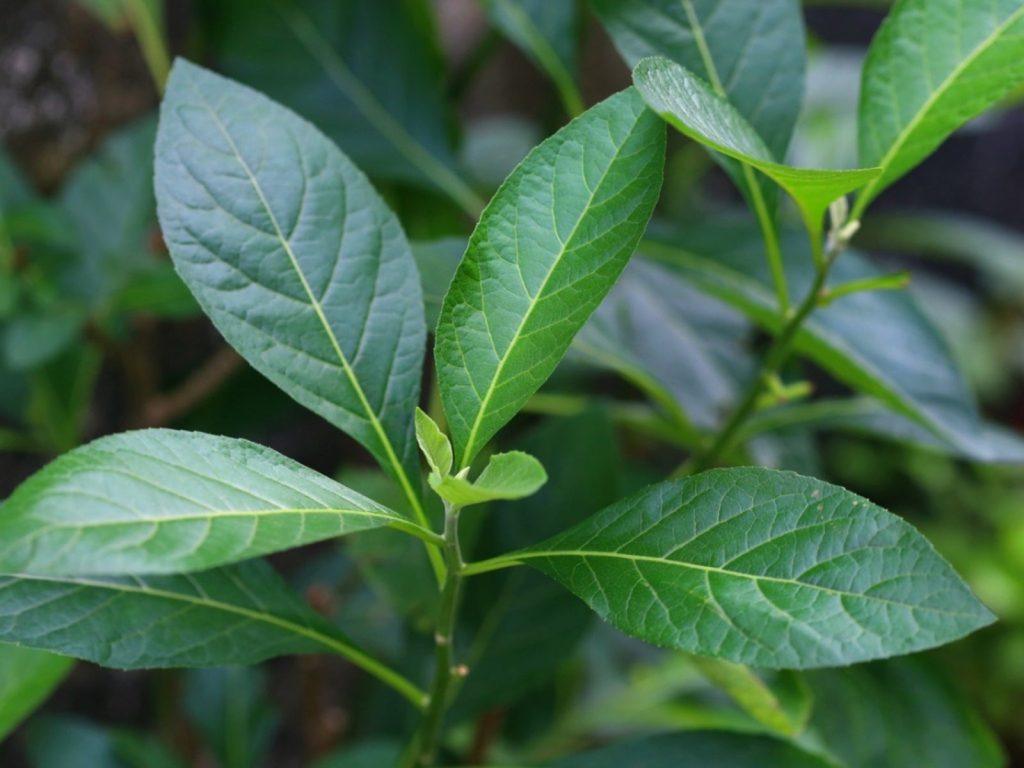
1. Rich Nutrient Profile: High in vitamins A (vision, immunity, skin), C (antioxidant, collagen), E (cell protection), and minerals like calcium, potassium, iron.
2. High in Dietary Fiber: Supports digestive health, prevents constipation, promotes gut balance, aids weight management through satiety.
💬 Have a Farming Question? Join thousands of farmers across Africa on the Agric4Profits Community — ask questions, share experiences and connect with agricultural experts. It is completely free. Ask Your Question Now →
3. Digestive Health: Alleviates dysentery, diarrhea; stimulates digestion via bitter compounds, bile production, and anti-inflammatory effects.
4. Blood Sugar Regulation: Potential hypoglycemic effects; improves insulin sensitivity for better glycemic control in diabetes.
5. Antioxidant Properties: Phenolic compounds and flavonoids neutralize free radicals, reducing risk of chronic diseases like heart disease and cancer.
6. Cancer Prevention: Extracts may inhibit growth of certain cancer cells (e.g., breast, colon); promising but requires more research.
7. Immune System Support: Vitamins and antioxidants enhance immunity, reduce infection risk, support overall immune response.
8. Anti-Parasitic Properties: Traditionally used against malaria and intestinal worms; extracts show activity against parasites.
9. Culinary Uses: Adds flavor and nutrition to soups, stews, teas; versatile in traditional dishes.
10. Moderation is Key: Consume moderately to avoid digestive discomfort from bitterness; prepare properly for best results.
Read Also: How To Start Mushroom Farming
📖 Want to Go Deeper on This Topic?
Our expert agricultural ebooks cover poultry, fish farming, different crops production, snail farming, organic farming, mushrooms, sheep, cattle, flowers, pig farming, goat farming, agribusiness, etc. in practical step-by-step detail — written by agricultural professionals for African farmers.
Culinary Uses and Preparation of Independent Leaf
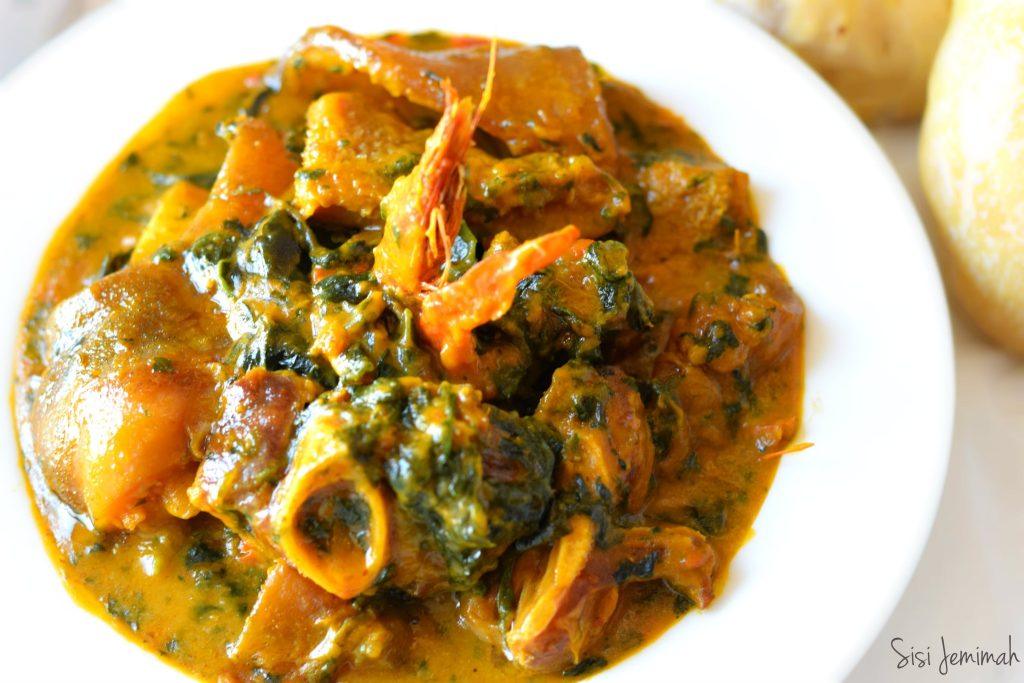
1. Flavor Profile: Slightly bitter due to alkaloids and flavonoids; adds depth when balanced with other ingredients.
2. Traditional Dishes: Featured in Bitter Leaf Soup (Ofe Onugbu) with meats, spices, crayfish; served with pounded yam or fufu.
3. Cooking Methods: Blanching (reduce bitterness, soften), sautéing (with onions, tomatoes), steaming (preserve nutrients).
4. Incorporating into Smoothies: Blend with fruits (banana, mango), yogurt to mask bitterness for a nutritious drink.
5. Herbal Tea: Boil fresh/dried leaves 10-15 minutes; add honey/lemon for flavor and health benefits.
6. Salads and Raw Preparations: Use young tender leaves with vegetables, dressing for a fresh, nutrient-rich salad.
7. Filling for Pastries: Chop and mix with cheese, onions, spices for baked pastries or pies.
8. Storing Independent Leaf: Refrigerate in damp paper towel/plastic bag; or blanch and freeze for longer storage.
9. Cultural Variations: Used in Sukuma Wiki (East Africa) sautéed with onions/tomatoes; or Nigerian soups.
10. Nutritional Benefits: Provides vitamins A/C, calcium, iron, antioxidants for overall well-being.
Summary of Benefits of Independent Leaf

| Introduction | Vernonia amygdalina (bitter leaf/independent leaf) is a tropical African leafy green valued for nutrition, medicine, and cuisine; resilient, easy to grow. |
| Nutritional Value | Rich in vitamins A, C, E; minerals (calcium, iron, potassium); high dietary fiber for digestion, immunity, bone health, antioxidant protection. |
| Health Benefits | Supports digestion, blood sugar control, immunity; anti-inflammatory, antioxidant, anti-parasitic; potential anti-cancer and hypoglycemic effects. |
| Culinary Uses | Adds bitter depth to soups/stews (e.g., Ofe Onugbu); prepared by blanching, sautéing, steaming; used in teas, smoothies, salads, pastries. |
| Preparation & Storage | Wash/cook to reduce bitterness; store fresh refrigerated or frozen; moderate consumption advised. |
Frequently Asked Questions about Independent Leaf
1. What is independent leaf?
Independent leaf, scientifically known as Vernonia amygdalina and commonly called bitter leaf, is a nutritious leafy green vegetable widely used in African traditional cuisine and medicine for its health-promoting properties.
2. What are the main health benefits of independent leaf?
It provides essential vitamins (A, C, E), minerals, fiber; supports digestion, blood sugar regulation, immunity, antioxidant defense; offers anti-inflammatory, anti-parasitic effects, and potential benefits for diabetes and cancer prevention.
3. How do I reduce the bitterness of independent leaf when cooking?
Wash thoroughly and blanch in boiling water for a few minutes, or squeeze after washing; cooking in soups/stews with other ingredients also balances the flavor.
4. Can independent leaf be eaten raw?
Yes, young tender leaves can be eaten raw in salads when mixed with other vegetables and dressing, though most prefer cooked to lessen bitterness.
5. Is independent leaf safe and beneficial during pregnancy?
It offers beneficial nutrients like vitamins A and C for maternal and fetal health, but consume in moderation and consult a healthcare provider, as with any herbal food.
6. How does independent leaf help with blood sugar levels?
Preliminary studies indicate hypoglycemic properties that may improve insulin sensitivity and regulate blood glucose, making it potentially useful for diabetes management.
7. Are there any side effects from consuming independent leaf?
Generally safe in moderation; excessive intake may cause digestive discomfort due to bitterness; proper preparation minimizes issues.
8. What are popular ways to use independent leaf in cooking?
Commonly in soups like Ofe Onugbu, sautéed dishes, herbal teas, smoothies, or as a side; it pairs well with meats, fish, spices, and other vegetables.
9. Where can I buy or grow independent leaf?
Available in local African markets, specialty stores, or grown at home from cuttings in suitable tropical/subtropical climates.
10. Can independent leaf be used for herbal tea?
Yes, boil fresh or dried leaves for 10-15 minutes to make tea; it is traditionally used for digestive and overall health benefits, often flavored with honey or lemon.
Do you have any questions, suggestions, or contributions? If so, please feel free to use the comment box below to share your thoughts. We also encourage you to kindly share this information with others who might benefit from it. Since we can’t reach everyone at once, we truly appreciate your help in spreading the word. Thank you very much for your support and for sharing!
Disclaimer: This article is for educational and informational purposes only. The health benefits described are based on scientific research and traditional knowledge. They ayre not a substitute for professional medical advice, diagnosis, or treatment. Always consult a healthcare professional before using any herb or natural remedy for medical purposes.
Read Also: Hydroponic Systems For Beginners


.png)
