
 1 month ago
34
1 month ago
34

.jpeg)
.png)
Press play to listen to this article
Voice
Agricultural extension is an important part of modern farming because it connects farmers with practical knowledge, improved technologies, useful services, and information needed for better agricultural decision-making and production.
Farmers make numerous decisions throughout every production cycle, including selecting seeds, preparing land, managing livestock, controlling pests, applying inputs, keeping records, harvesting crops, and marketing agricultural products.
A strong extension system helps farmers understand these decisions by transforming technical research and professional recommendations into practical information that can be understood, tested, adapted, and applied under local farming conditions.
Agricultural extension has also expanded beyond traditional farm visits and demonstrations. Modern services can include farmer organizations, radio programmes, field schools, mobile phones, digital platforms, market information, training workshops, and advisory networks.
For rural communities, effective extension can improve technical knowledge while strengthening problem-solving ability, enterprise management, climate resilience, market participation, and connections between farmers, researchers, government agencies, businesses, and development organizations.
Read Also: Basic Principles Of Farm Management
🌿 Go Organic on Your Farm: Instead of harmful chemical pesticides and fertilisers, try our organic farming products — including neem oil spray, bio-pesticides, natural plant treatments, organic seeds and seedlings, suckers, and many more organic products that are safe for your health, your family, your soil and your harvest. Shop Now →
What Is Agricultural Extension?
Agricultural extension refers to organized educational and advisory activities that help farmers acquire useful knowledge, skills, technologies, and information for improving agricultural production, livelihoods, resource management, and enterprise decision-making.
The traditional extension model often depended on trained officers visiting farming communities and explaining recommended practices directly to producers, sometimes through demonstrations, meetings, farm inspections, and individual consultations.
Modern agricultural extension is broader because farmers may receive advice from government agencies, private consultants, universities, research organizations, cooperatives, agribusinesses, nongovernmental organizations, digital platforms, and experienced farmer networks. (FAO, https://www.fao.org/research-extension-systems/extension-and-advisory-services/)
The purpose is not simply to tell farmers what to do. Effective extension encourages farmers to understand why particular practices are recommended, evaluate alternatives, consider local conditions, and make informed decisions that fit their enterprises.
🔧 Free Farm Tool Available: Use our free Agric4Profits Farm Tools to calculate your farm profits, formulate feeds, identify pests and diseases on both your crops and animal farms, plan your planting and harvesting season, including many more farm tasks to get free expert advice and recommendations — completely free, no registration required. Access Free Tools →
Agricultural extension therefore combines education, communication, advisory support, problem-solving, technology transfer, farmer organization, and linkages with other agricultural institutions that influence production and rural livelihoods.
Extension workers may support farmers with crop production, livestock management, fisheries, farm business planning, record keeping, input selection, marketing, climate adaptation, soil management, postharvest handling, and other agricultural activities.
Effective extension also recognizes that farmers possess valuable indigenous knowledge and practical experience. Professional advice becomes more useful when it respects local knowledge while introducing evidence-based improvements and testing new ideas collaboratively.
The wider goal is to strengthen farmers' capacity to solve production and business problems independently, rather than creating permanent dependence on an extension officer for every agricultural decision.
Why Agricultural Extension Matters
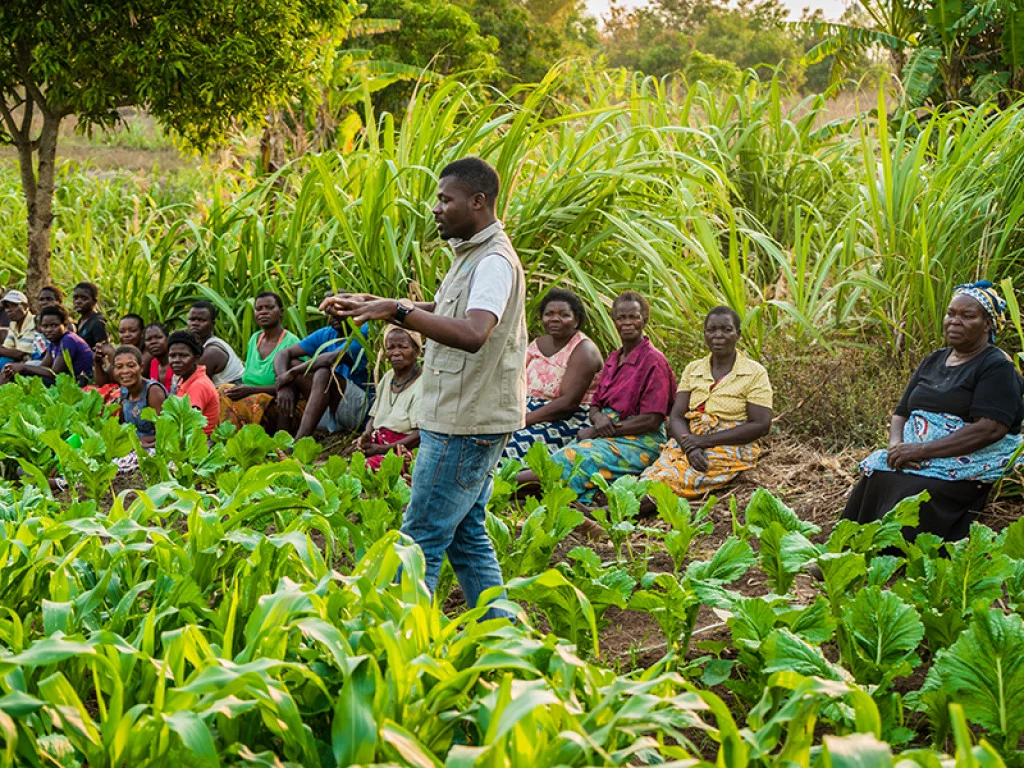
1. Improves Farmer Knowledge: Agricultural extension gives farmers practical information that helps them understand improved production methods, recognize problems early, and make better decisions throughout the farming cycle.
💬 Have a Farming Question? Join thousands of farmers across Africa on the Agric4Profits Community — ask questions, share experiences and connect with agricultural experts. It is completely free. Ask Your Question Now →
Knowledge becomes especially valuable when farming conditions change because farmers must respond to new pests, diseases, weather patterns, market requirements, input prices, technologies, and consumer expectations.
Extension education can also reduce costly mistakes by explaining appropriate timing, dosage, spacing, handling procedures, disease prevention measures, feeding practices, and other technical details that influence agricultural performance.
2. Encourages Technology Adoption: Farmers are more likely to consider unfamiliar technologies when they can observe practical demonstrations, ask questions, compare results, and receive guidance during the early stages of implementation.
Extension officers can help producers assess whether an innovation suits their available land, labour, capital, water, equipment, market opportunities, production objectives, and local environmental conditions before investing heavily.
Research organizations frequently generate technologies that require adaptation before becoming useful on ordinary farms. Extension services help translate those innovations into practical options farmers can understand and test.
3. Strengthens Farm Management: Extension education can improve planning, budgeting, record keeping, resource allocation, enterprise selection, risk management, and marketing decisions that determine whether agricultural production becomes financially sustainable.
Farmers can strengthen these skills by studying systematic farm records, using production information to evaluate performance, and comparing actual results with planned targets for continuous improvement.
4. Supports Rural Livelihoods: Agricultural extension can strengthen household income opportunities by helping producers improve productivity, diversify enterprises, reduce avoidable losses, understand markets, and connect with organizations that provide relevant agricultural services.
When farmers become more capable decision-makers, the benefits can extend beyond individual farms because improved production, stronger enterprises, employment opportunities, and better food availability can contribute to broader community development.
📖 Want to Go Deeper on This Topic?
Our expert agricultural ebooks cover poultry, fish farming, different crops production, snail farming, organic farming, mushrooms, sheep, cattle, flowers, pig farming, goat farming, agribusiness, etc. in practical step-by-step detail — written by agricultural professionals for African farmers.
Agricultural Extension Methods for Farmers
1. Individual Farm Visits: Individual visits allow extension personnel to study specific farm conditions, discuss production challenges privately, inspect enterprises, demonstrate solutions, and provide recommendations tailored to the farmer's immediate situation.
These visits are useful when farmers face problems requiring direct observation, such as unusual crop symptoms, livestock health concerns, poor plant growth, inefficient housing, irrigation difficulties, or inappropriate production practices.
Individual advisory support can also build stronger relationships between farmers and extension personnel because repeated contact allows the adviser to understand the producer's resources, experience, objectives, and constraints.
2. Group Meetings: Group meetings allow extension workers to reach several farmers simultaneously while creating opportunities for discussion, peer learning, demonstrations, experience sharing, and collective identification of agricultural challenges.
Farmers often learn effectively from other producers because practical experiences provide locally relevant examples of what worked, what failed, and what changes were necessary under specific conditions.
3. Demonstration Farms: Demonstration farms allow farmers to observe recommended practices under real production conditions, making abstract explanations easier to understand and giving participants an opportunity to compare different techniques.
Demonstrations may focus on improved varieties, spacing, fertilizer management, pest control, livestock feeding, housing systems, irrigation methods, conservation practices, postharvest handling, or other technologies relevant to local production.
4. Farmer Field Schools: Farmer field schools use participatory learning, practical observation, and season-long activities to help producers study agricultural problems directly while building confidence in experimentation, analysis, and group decision-making.
FAO describes farmer field school facilitation as requiring trained field agents who guide practical learning processes for farmer groups, strengthening the connection between agricultural knowledge and field-level experience.
5. Radio And Digital Communication: Radio programmes, mobile phones, messaging services, websites, applications, and online platforms extend advisory information beyond the physical reach of extension officers, especially across widely dispersed rural communities.
Digital channels are increasingly important, although farmers still need accessible language, reliable connectivity, useful content, digital skills, and trustworthy advisory systems to benefit consistently from technology-enabled extension services.
Roles of Agricultural Extension Officers

1. Farmer Educator: Extension officers educate farmers about improved agricultural practices by organizing meetings, workshops, demonstrations, field schools, farm visits, and other learning activities designed around practical production needs.
The educator role requires strong communication skills because technical information must be presented in language and formats that farmers can understand, remember, question, and apply without unnecessary complexity.
Good extension education also encourages questions and discussion because farmers need opportunities to explain their experiences, challenge assumptions, and identify how recommendations should be adapted locally.
2. Problem Solver: Extension officers investigate production challenges, identify possible causes, provide evidence-based recommendations, and connect farmers with specialists or institutions when problems require additional expertise.
Problem-solving may involve examining crops, livestock, soils, farm records, water conditions, management practices, input use, environmental conditions, or market information before recommending practical action.
3. Technology Link: Extension officers connect farmers with research findings, improved technologies, input suppliers, financial services, markets, government programmes, universities, and other organizations within the agricultural innovation system.
This linking function is essential because farmers rarely operate in isolation. Their production decisions depend on information and services provided by numerous institutions across the agricultural value chain.
4. Community Mobilizer: Extension officers help farmers organize around shared interests, coordinate training, establish producer groups, participate in demonstrations, and access opportunities that may be difficult for individuals to obtain alone.
Strong farmer organizations can improve collective learning and strengthen bargaining power, particularly when producers need better access to inputs, finance, markets, equipment, training, or specialized agricultural services.
5. Feedback Provider: Extension officers communicate farmers' experiences, questions, constraints, and field observations back to researchers, policymakers, programme managers, and other institutions that influence agricultural development.
This two-way communication helps agricultural programmes become more responsive because research and policy decisions can incorporate real production conditions instead of relying exclusively on theoretical assumptions.
Agricultural Extension and Rural Development
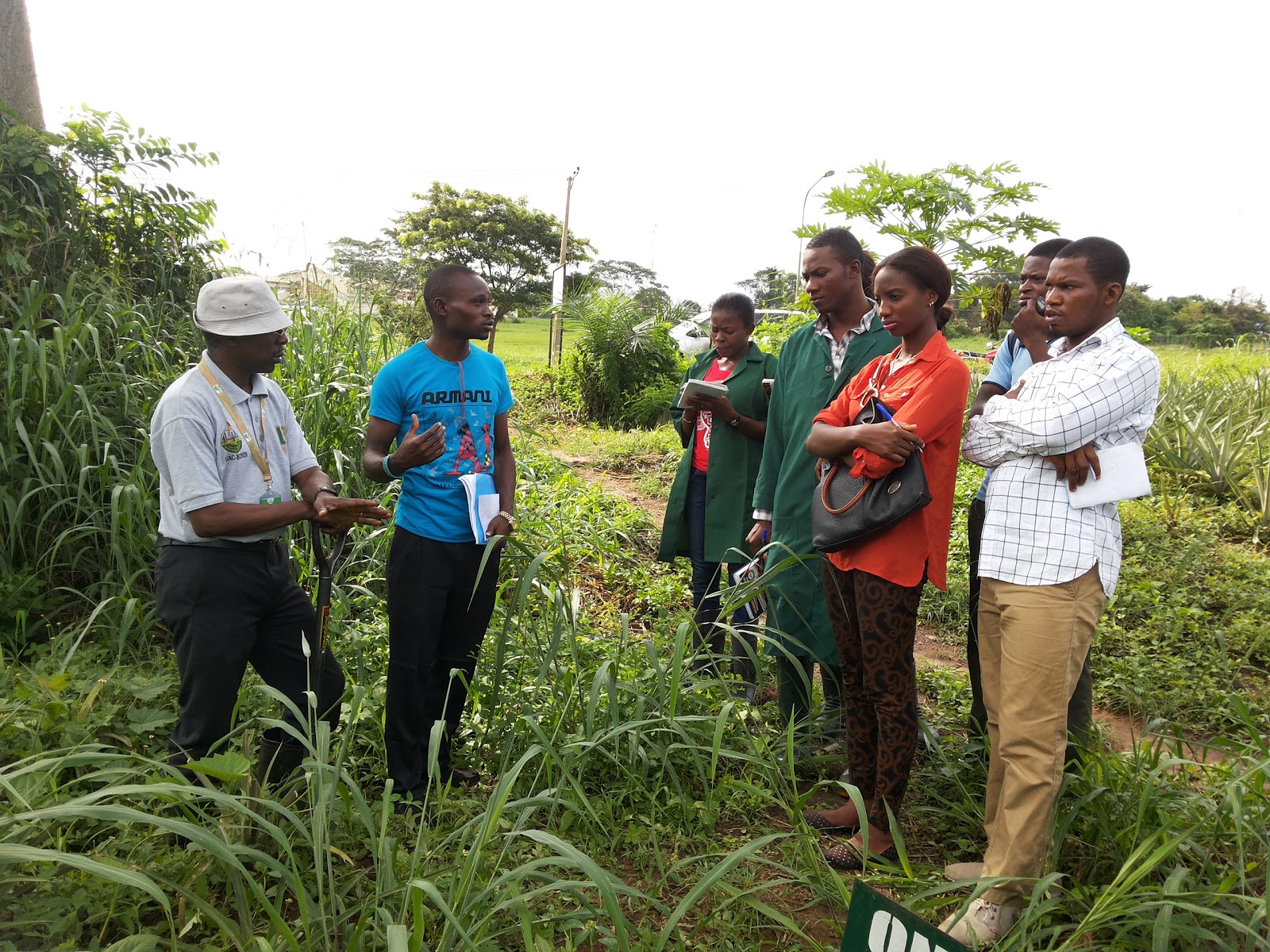
Agricultural extension contributes to rural development because farming remains closely connected with employment, household income, food supplies, local businesses, natural resources, and community economic activity in many rural regions.
1. Increases Production Capacity: Extension improves farmer capacity by transferring knowledge about appropriate production practices, resource management, improved technologies, enterprise planning, and efficient use of available inputs.
Higher technical capacity does not automatically guarantee higher yields, because weather, markets, finance, infrastructure, soil conditions, and other constraints also influence outcomes.
However, informed farmers are generally better positioned to identify opportunities, assess risks, adopt suitable innovations, and adjust their operations when production conditions change.
2. Supports Food Security: Extension can support food security by helping farmers improve production efficiency, manage resources responsibly, reduce avoidable losses, and strengthen access to knowledge needed for reliable agricultural output.
Food security involves more than producing crops. Farmers also need knowledge concerning storage, processing, marketing, household nutrition, enterprise management, and resilience to shocks affecting local food systems.
Understanding broader food-system relationships helps explain why food security planning should involve production, access, stability, utilization, and practical management across agricultural communities.
3. Creates Employment Opportunities: Extension can encourage farmers to view agriculture as a business by improving technical skills, enterprise selection, value addition, marketing knowledge, and financial planning.
Improved agricultural businesses can generate demand for labour, transportation, processing, input supply, equipment maintenance, trading, storage, and other services within rural economies.
4. Promotes Community Learning: Farmer groups, demonstration plots, cooperative meetings, field schools, and local advisory programmes create spaces where producers learn collectively and exchange practical experience.
Collective learning can strengthen social connections while making useful information easier to circulate across communities, especially where formal extension personnel cannot maintain frequent contact with every farmer.
5. Encourages Sustainable Agriculture: Extension programmes can teach farmers how to conserve soil, protect water, manage inputs responsibly, diversify production, reduce avoidable waste, and adapt their enterprises to changing environmental conditions.
These objectives are increasingly important as farmers respond to climate variability, resource degradation, rising production costs, and pressure to maintain productivity without exhausting natural resources.
Digital Agricultural Extension Services

Digital agricultural extension uses communication technologies to deliver knowledge, advisory information, training, market updates, weather information, and other agricultural services through electronic channels.
Mobile phones are particularly useful because they can connect farmers with information without requiring every advisory interaction to happen through a physical farm visit.
1. Mobile Advisory Services: Mobile phones can provide text messages, voice information, interactive services, alerts, reminders, and links to agricultural resources that support farmers during different stages of production.
Voice-based systems can be especially valuable where reading ability, language diversity, or smartphone ownership makes text-heavy applications difficult for some farmers to use effectively.
2. Smartphone Applications: Smartphone applications can combine agricultural information with weather data, farm records, crop monitoring, market information, calculators, diagnostic support, and communication tools.
FAO notes that digital agricultural extension has strong potential to expand access and delivery, but the digital divide can limit benefits when rural users face weak connectivity, limited skills, or inadequate device access.
3. Digital Farmer Training: Online courses, webinars, videos, audio lessons, messaging groups, virtual demonstrations, and digital learning materials allow farmers and extension personnel to continue learning beyond traditional classroom settings.
Digital learning works best when content is practical, locally relevant, easy to access, appropriately translated, visually clear, and reinforced through opportunities for farmers to ask questions and verify information.
4. Digital Market Information: Digital platforms can help farmers monitor prices, identify buyers, compare market opportunities, and receive information that supports better timing and marketing decisions.
Extension services increasingly operate across entire value chains rather than focusing only on production, making market intelligence and business connections important components of contemporary agricultural advisory systems.
5. Artificial Intelligence And Data: Artificial intelligence can support agricultural advisory systems by processing large amounts of information and generating responses concerning production, weather, soil, markets, and farm management.
However, AI-generated advice should not replace professional verification for high-risk decisions because inaccurate recommendations can cause financial losses, crop damage, livestock problems, or unsafe chemical use.
Challenges Facing Agricultural Extension
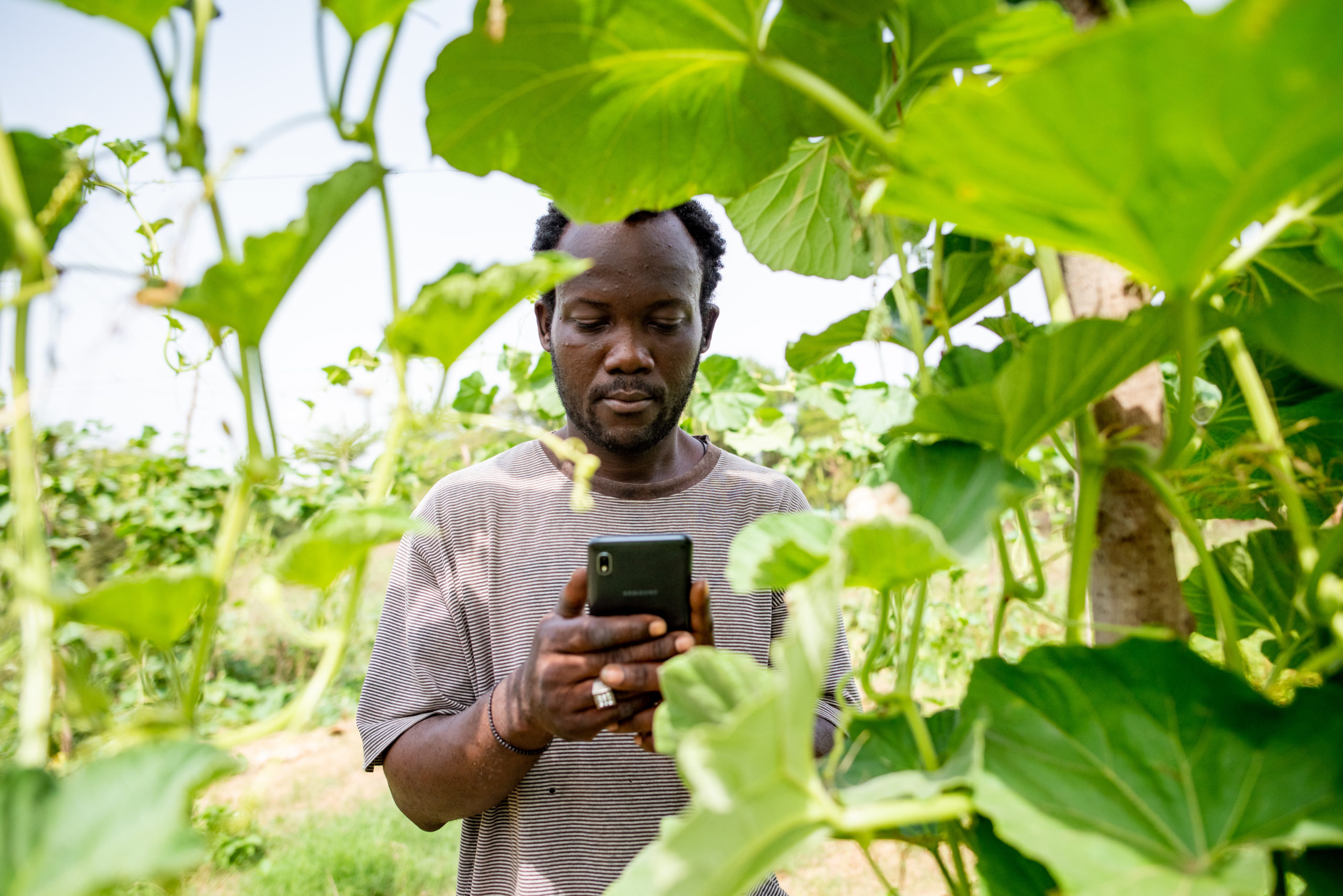
Agricultural extension systems can face major difficulties even when the technical knowledge available to farmers is strong, because advisory effectiveness depends on staffing, funding, infrastructure, communication, trust, coordination, and institutional support.
1. Limited Extension Personnel: Too few trained extension personnel can make it difficult to provide frequent, individualized support to large numbers of dispersed farmers, particularly in remote communities.
When one adviser is responsible for many communities, visits may become infrequent, communication may become reactive rather than preventive, and complicated farm problems may remain unresolved for too long.
2. Inadequate Funding: Extension programmes require funding for salaries, transportation, training materials, demonstrations, communication systems, equipment, monitoring, and continuous professional development.
Insufficient funding can reduce field visits, weaken demonstrations, delay farmer training, limit data collection, and make it difficult for extension organizations to maintain consistent relationships with rural communities.
3. Weak Infrastructure: Poor roads, unreliable electricity, limited internet coverage, weak telecommunications infrastructure, inadequate training centres, and insufficient transport can restrict both physical and digital extension activities.
Infrastructure limitations are particularly important for remote farmers because information may arrive too late to support decisions involving planting dates, pest outbreaks, input purchases, harvesting, or market opportunities.
4. Low Digital Skills: Digital extension cannot automatically solve information-access problems when farmers lack confidence using smartphones, online platforms, digital applications, internet services, or electronic advisory tools.
FAO highlights digital literacy, infrastructure, affordability, institutional capacity, and governance as important issues that influence inclusive digital agricultural extension and advisory services.
5. Limited Coordination: Farmers may receive conflicting information when government departments, researchers, private businesses, development organizations, and digital platforms operate without effective coordination.
Clear communication channels and shared standards can reduce confusion and improve the consistency, credibility, and practical usefulness of agricultural recommendations reaching rural producers.
6. Language And Literacy Barriers: Extension information becomes less effective when it uses unfamiliar technical language, ignores local languages, or assumes reading abilities that are not available across the target farming population.
Using local languages, demonstrations, pictures, audio messages, practical examples, and participatory learning can make agricultural information more inclusive and easier for diverse farmer groups to understand.
How to Improve Agricultural Extension Programs
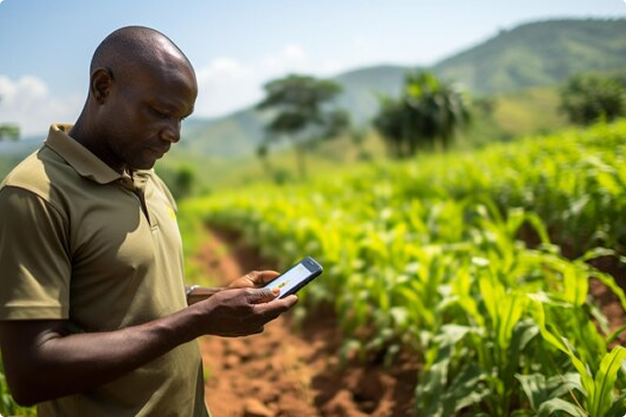
Improving agricultural extension requires more than increasing the number of officers. Effective reform should strengthen training quality, farmer participation, digital access, institutional coordination, field support, monitoring, and links with research and markets.
1. Strengthen Extension Worker Training: Extension personnel need regular professional development covering technical agriculture, communication methods, facilitation, digital tools, entrepreneurship, climate adaptation, data collection, and inclusive approaches.
Continuous training is important because agricultural challenges evolve as technologies, pests, diseases, markets, regulations, environmental conditions, and farmer expectations change.
2. Use Participatory Approaches: Farmers should participate in identifying problems, selecting training topics, testing innovations, evaluating results, and designing advisory activities that reflect their actual production conditions.
Participatory approaches can improve relevance because farmers contribute practical knowledge that may not be captured through laboratory research, administrative reports, or standardized training manuals.
3. Strengthen Research And Extension Links: Researchers, universities, extension organizations, private advisers, and farmer groups should maintain active communication so that useful innovations reach producers and field challenges return to research institutions.
This connection supports a continuous learning cycle in which innovations are developed, tested, adapted, evaluated, communicated, and improved according to practical farm experiences.
4. Expand Digital Extension: Mobile services, online learning, radio, messaging platforms, video training, digital databases, and advisory applications can help extension systems reach more farmers while maintaining opportunities for human support.
Digital services should complement rather than automatically replace field-based extension because farmers may still require direct diagnosis, demonstrations, relationship-building, and assistance with difficult or context-specific problems.
5. Link Farmers With Markets: Extension programmes should include market information, quality standards, financial literacy, value addition, business planning, and buyer connections so farmers can translate improved production into stronger commercial outcomes.
Farmers can strengthen commercial decisions by developing practical knowledge of farm budgeting, production costs, expected returns, cash flow, and alternative enterprise opportunities.
6. Promote Climate-Smart Practices: Extension systems should prepare farmers for changing rainfall patterns, heat, drought, flooding, soil degradation, emerging pests, and other environmental risks affecting agricultural production.
Advisory support can encourage appropriate practices such as diversification, efficient water management, soil conservation, improved varieties, responsible input use, and other approaches suited to local farming systems.
Farmers interested in building resilience can explore climate-smart practices alongside locally relevant advice from qualified agricultural professionals and extension personnel.
7. Improve Farmer Organization: Stronger farmer groups can make training easier to deliver while helping producers access information, inputs, finance, equipment, markets, and collective problem-solving opportunities.
Well-managed organizations can also improve communication between farmers and agricultural institutions, making extension programmes more responsive to community priorities and production realities.
8. Measure Extension Results: Extension programmes should monitor participation, knowledge improvement, technology adoption, productivity, profitability, resource use, farmer satisfaction, and other meaningful indicators of change.
Measurement allows programme managers to identify what works, correct weak approaches, allocate resources more effectively, and demonstrate whether extension investments are producing meaningful benefits for agricultural communities.
Extension planning also becomes stronger when advisers understand farm management principles and can connect technical recommendations with planning, organization, resource allocation, and operational control.
Good extension programmes should additionally help farmers improve farm management practices so technical improvements are supported by sound financial and organizational decisions.
Understanding agricultural economics can strengthen extension because farmers must decide how to allocate scarce land, labour, capital, inputs, and management resources among competing enterprises.
Extension workers can also help producers understand marketing farm products by discussing market functions, buyers, product quality, prices, timing, transportation, storage, and the relationship between production and demand.
Crop advisers can strengthen production planning by encouraging appropriate seed selection according to climate, soil, crop objectives, expected performance, and locally appropriate production conditions.
Soil-related extension should help producers understand soil classification and how different soil properties influence crop suitability, nutrient management, drainage, water retention, and sustainable land use.
Farmers can also benefit from learning about soil characteristics, because soil structure, organic matter, water availability, air spaces, minerals, and nutrient status affect agricultural productivity.
Extension programmes serving fish farmers can connect producers with practical resources covering fish farming, including species selection, production systems, feeding, water management, stocking, harvesting, and enterprise planning.
Fish producers may also need technical guidance based on fish production principles so that site selection, pond preparation, feeding, water control, stocking, and harvesting are managed as connected activities.
Advanced aquaculture enterprises can receive specialized information about recirculating aquaculture systems when water conservation, production control, infrastructure, and technical management requirements justify the approach.
Poultry advisers can strengthen enterprise performance by directing producers toward resources on poultry farming techniques, covering housing, feeding, health, management, production planning, and routine farm operations.
Extension support for new poultry enterprises can also introduce farmers to modern poultry enterprises and explain different birds, production purposes, management requirements, and potential business opportunities.
Farm business trainers can provide wider enterprise guidance using African poultry farming resources, especially when producers need regionally relevant information on production systems, markets, inputs, and management.
Livestock extension workers can support producers by explaining grazing management, including approaches for utilizing available land efficiently while addressing labour, feed availability, animal welfare, and seasonal conditions.
Postharvest extension can reduce losses by teaching farmers about postharvest storage, handling conditions, quality preservation, shelf life, transportation, and appropriate management of harvested produce.
Crop advisers can also use tools such as the crop production planning tool to help farmers estimate production outcomes, revenue possibilities, and performance under different crop management scenarios.
Read Also: Meaning of Agricultural Marketing
Summary on Complete Agricultural Extension Guide for Farmer Education

| Agricultural Extension | Provides education and advisory support | Better decisions and stronger technical knowledge |
| Extension Methods | Uses visits, groups, demonstrations, field schools, radio, and digital tools | More accessible and practical learning |
| Extension Officers | Educate, advise, connect, mobilize, and collect farmer feedback | Improved access to agricultural services |
| Rural Development | Strengthens knowledge, enterprises, food systems, and community capacity | Improved livelihoods and resilience |
| Digital Extension | Uses mobile phones, applications, online platforms, data, and digital communication | Faster and wider information access |
| Major Challenges | Limited staff, funding, infrastructure, skills, and coordination | Identifying weaknesses helps improve services |
| Improvement Strategies | Strengthen training, participation, research links, markets, technology, and monitoring | More effective and farmer-centred extension programmes |
Agricultural extension remains essential because farmers need reliable knowledge to respond to changing production conditions, technologies, markets, environmental pressures, and business opportunities across increasingly complex agricultural value chains.
Frequently Asked Questions About Complete Agricultural Extension Guide for Farmer Education
1. What Is Agricultural Extension?
Agricultural extension is an educational and advisory system that helps farmers gain practical knowledge, skills, information, technologies, and connections needed to improve production, farm management, livelihoods, and sustainable resource use.
2. What Is The Main Purpose Of Agricultural Extension?
The main purpose is to help farmers make informed decisions by connecting agricultural knowledge with practical farming activities, problem-solving, technology adoption, business management, environmental stewardship, and market opportunities.
3. Who Provides Agricultural Extension Services?
Agricultural extension services may be provided by government agencies, private advisers, universities, research organizations, nongovernmental organizations, farmer organizations, agribusiness companies, cooperatives, and digital agricultural service providers.
4. What Methods Are Used In Agricultural Extension?
Common methods include individual farm visits, group meetings, demonstrations, farmer field schools, workshops, radio programmes, printed materials, telephone support, messaging platforms, online training, and smartphone-based agricultural advisory services.
5. How Does Agricultural Extension Help Rural Development?
Extension supports rural development by improving farmer knowledge, strengthening enterprises, encouraging innovation, supporting food production, improving market participation, developing skills, promoting resource management, and connecting communities with agricultural institutions.
6. What Is Digital Agricultural Extension?
Digital agricultural extension delivers agricultural advice and learning through mobile phones, websites, applications, messaging systems, online platforms, radio, digital databases, and other technologies that can expand information access.
7. What Are The Major Challenges Facing Agricultural Extension?
Major challenges include inadequate funding, limited extension personnel, weak transport infrastructure, poor digital connectivity, low digital skills, language barriers, weak coordination, insufficient training, and limited monitoring of programme outcomes.
8. Why Is Farmer Participation Important In Extension?
Farmer participation helps extension programmes reflect real production conditions because farmers contribute practical experience, identify important problems, evaluate technologies, communicate constraints, and help adapt recommendations to local agricultural environments.
9. Can Agricultural Extension Improve Farm Profitability?
Extension can contribute to profitability by improving production decisions, reducing avoidable mistakes, strengthening resource management, supporting enterprise planning, improving marketing knowledge, encouraging record keeping, and helping farmers evaluate technologies and investments.
10. Is Agricultural Extension Important For Smallholder Farmers?
Yes. Smallholder farmers often benefit greatly from timely technical knowledge, market information, climate guidance, input advice, training, and institutional connections that can strengthen their ability to manage production and respond to agricultural risks.
Do you have any questions, suggestions, or contributions? If so, please feel free to use the comment box below to share your thoughts. We also encourage you to kindly share this information with others who might benefit from it. Since we can’t reach everyone at once, we truly appreciate your help in spreading the word. Thank you very much for your support and for sharing!
Read Also: 9 Impressive Health Benefits of Onions




.png)
