

.jpeg)
.png)
Editor’s note: The following was written by Taylor Grussing, South Dakota State University Extension cow/calf field specialist, for the university’s website Aug. 11.
In the Upper Midwest, nearly 75% of calves are born in the spring calving season (January to May), according to a USDA beef cow/calf management survey in 2017.
This means that a majority of operations are getting ready for the fall run of selling calves or giving preconditioning shots before weaning.
With calves ranging from 4 to 8 months of age in some groups, there are differences that may need to be considered depending on vaccinations, sale plans and feed availability.
Preconditioning shots
To set the immune system up for shipping or weaning stress, preconditioning shots can be given to calves alongside cows while still on grass. These vaccinations are geared towards prevention of respiratory diseases and clostridial infections.
A combination of vaccine types (5-way viral and 7-way vaccines) are available to stimulate the immune system to fight off these diseases.
Best management practices recommend revaccination or “boosters” of these shots three to four weeks following initial administration for improved immune response.
Consult with a veterinarian on the best vaccination program for different ages of calves, as well as other processing stressors (castration or dehorning) that may need to be planned before or after weaning.
Even if calves are going to be sold straight off the cow, preconditioning shots help sellers deliver healthy calves.
Sale plans
Make it a priority to talk to the auction market about your marketing plans earlier rather than later. This communication is key let the auction know what you have to sell this year, and its timing, to ensure buyers have time to plan.
Even if you sell at the same place and time every year, the processing history should accompany the cattle so buyers can determine if the cattle fit into a special program or group when making buying decisions.
Small operations are less likely to give this information to the barn, and if they do it is done orally, but this should not be the case. On or before sale day, make a written list of processing shots from birth, spring turnout and summer/fall. Other items to provide include implants, parasite treatment, castration method and feed exposure (creep feed or bunk broke).
If operations are working with a veterinarian, the clinic can often provide you with a vaccine and processing form specific to your herd and send it directly to the auction market.
Having these items written down is critical in today’s auction setting so it can be announced for both attendees in person as well as those watching online.
The more information provided increases the confidence a buyer has in the calves and likelihood of them buying from the operation annually.
Keep in mind, market shifts may change producer plans this year. Contract dates and weaning plans need to be happening now to hit the desired market, forage availability or cash flow needs.
Feed availability
When forage quality and quantity decrease in August, calf growth is accelerating. Weaning calves will preserve the forage for cows and can be a good way to add value to calves before marketing depending on feed costs.
Feed inventory should be evaluated to compare the amount of feed available and how much will be needed to feed calves.
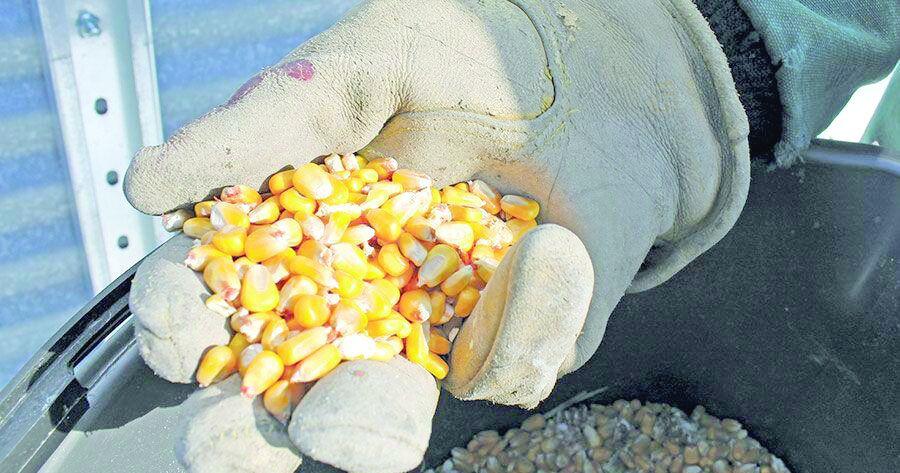
Moreover, additional concentrates (corn or distillers) and supplements should be purchased and delivered before calves enter the weaning pen.
Also, younger calves require additional nutrients compared with calves that are closer to 210 days of age.
Work with a nutritionist to test your feeds and design rations for different weaning age groups.
Having a plan in place for weaning and marketing will reduce stress for both the operation and calves.
Be the first to know
Get local news delivered to your inbox!





.png)
